

Bulk Packing vs. Retail Packs for Zipper Bags
HOME / ARTICLE
The right packing format depends on what happens after the bags leave the factory. Compare bulk packing and retail packs before confirming the quotation.
The bag specification is only one part of a zipper bag project. You also need to decide how the finished bags will be grouped, identified and delivered.
For one buyer, the bags are production supplies that will be unpacked inside a factory. For another, the package must be ready for a supermarket shelf or online order. These routes require different information.
In this article
• What does bulk packing mean?
• What is a retail pack?
• The main differences
• When bulk packing is the clearer choice
• When retail packs are appropriate
• A hybrid format may work
• What to provide for a packing quotation
• Not sure which packing format fits?
Plan the packing format around handling, distribution and the end customer.
What does bulk packing mean?
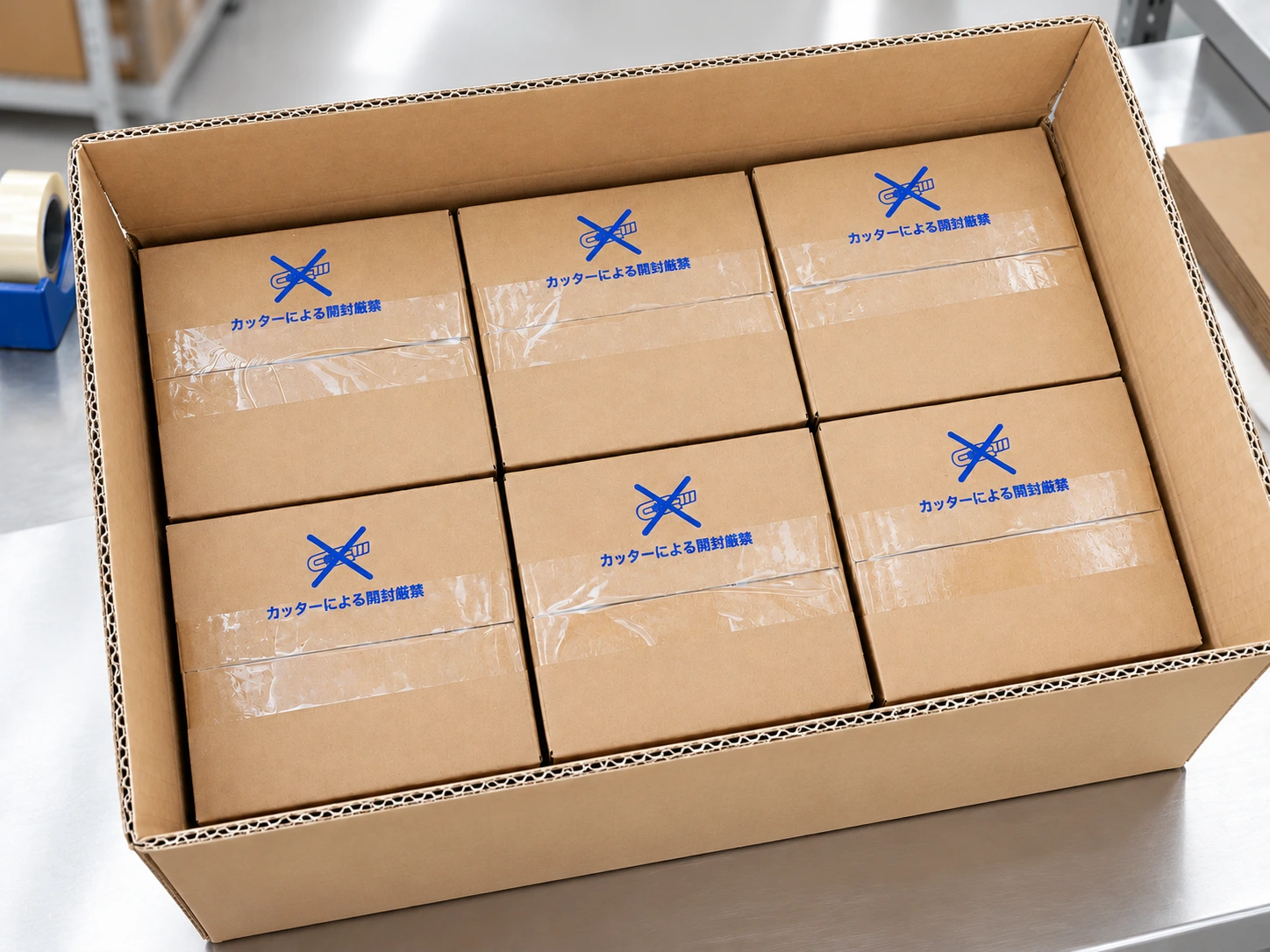
Counted inner packs and carton supply
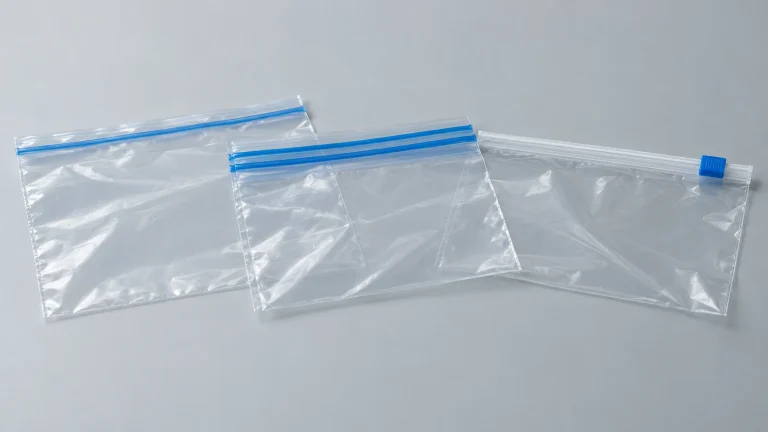
Bulk packing is generally used when zipper bags are an input for another operation rather than the final consumer product.
The bags may be counted into inner packs, protected by a liner and placed into shipping cartons. “Bulk” does not necessarily mean every bag is loose inside one carton. Inner quantity, carton quantity, labels and protection still need to be agreed.
Bulk packing is often relevant to:
• industrial or commercial users;
• food processors and bakeries;
• distributors that repack the bags;
• businesses using bags internally; and
• buyers applying their own labels or final packaging.
The main priorities are usually handling, count identification, transit protection and compatibility with the buyer’s receiving process.
What is a retail pack?
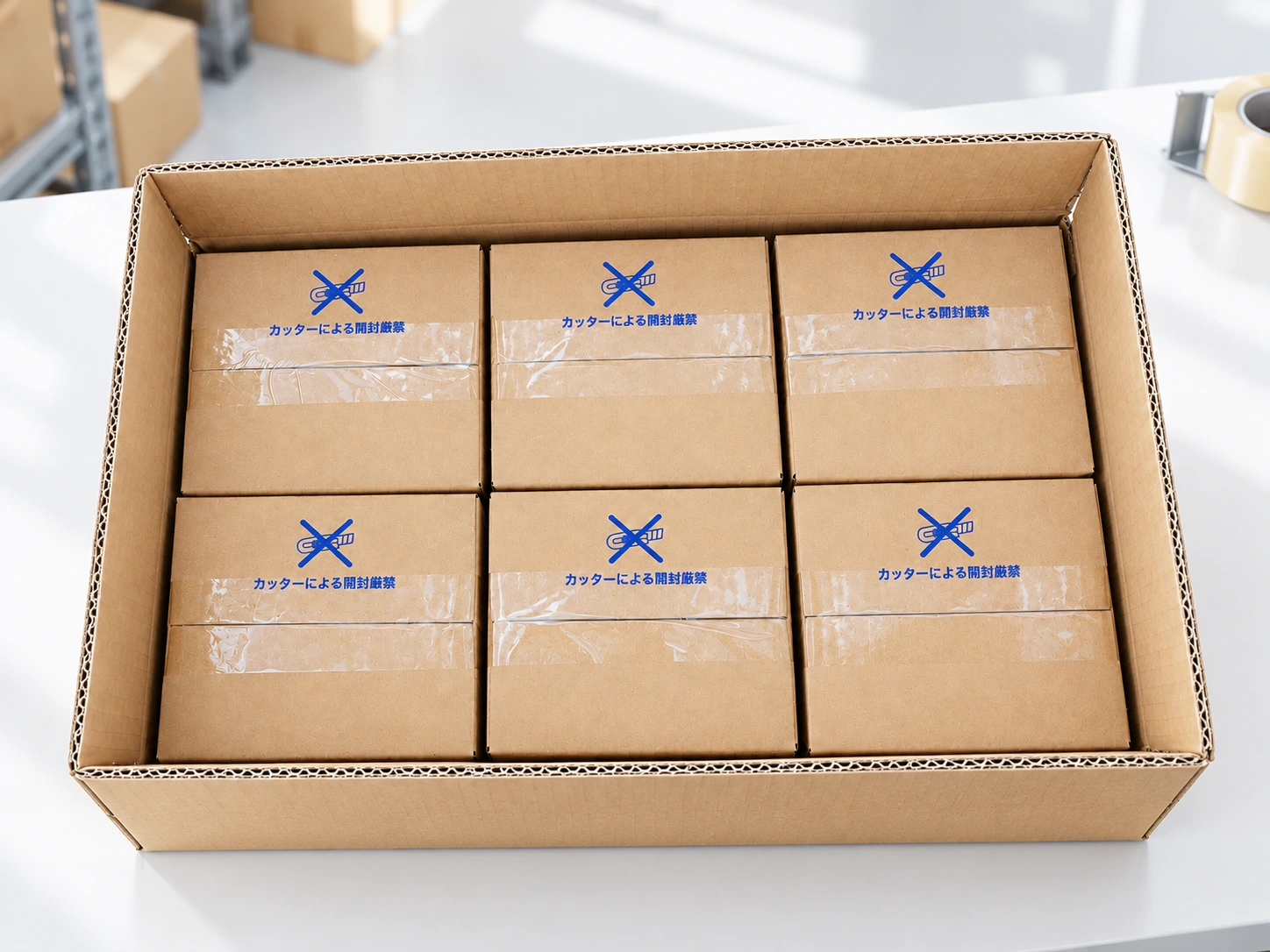
A consumer-facing retail unit
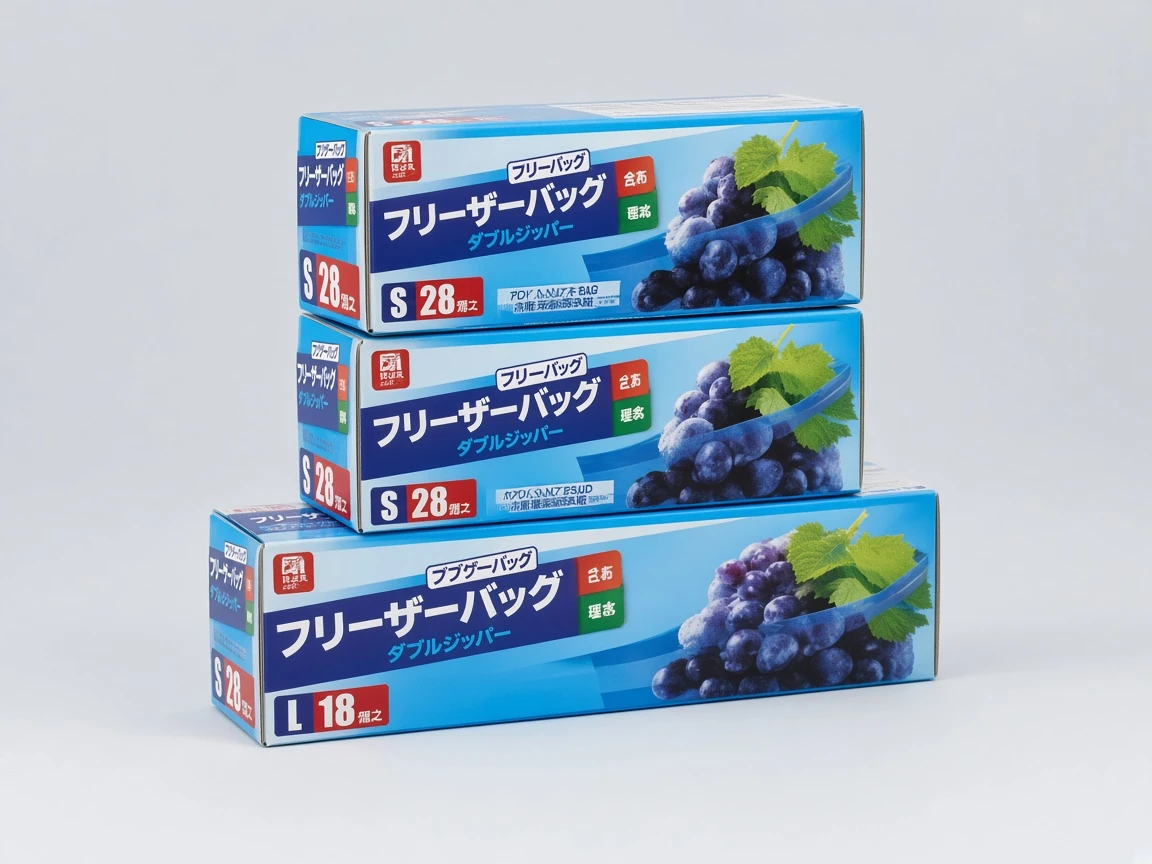
A retail pack is a consumer-facing unit designed to be sold under a brand. Depending on the project, it may be a branded box, printed outer bag or another agreed format.
In addition to the zipper bag specification, the project may need decisions about:
• bags per retail pack;
• pack dimensions and opening method;
• brand artwork;
• product name and usage text;
• barcode position;
• language versions;
• labels and identification;
• retail packs per shipping carton; and
• outer-carton marks.
A correct bag does not automatically create a complete retail product. The bag, retail unit and shipping carton should be reviewed as connected but separate parts.
The main differences
Decision area
Bulk packing
Retail packs
Primary user
Factory, distributor or repacking operation
Retail customer or end consumer
Branding
Often limited or applied later
Usually part of the final presentation
Pack count
Selected for handling and stock control
Selected as part of the retail offer
Identification
Inner labels and carton marks may be sufficient
Consumer text, barcode and SKU information may be required
Artwork
Bag print or simple label, if needed
Bag artwork and retail-pack artwork may both be involved
Quotation input
Inner quantity, carton quantity and handling needs
Retail count, packaging format, artwork and carton configuration
The final cost cannot be judged from the words “bulk” or “retail” alone. Bag size, quantity, printing, number of SKUs, packing materials and carton configuration all affect the project.
When bulk packing is the clearer choice
Bulk packing is usually the better starting point when the buyer will use, fill, distribute or repack the zipper bags after receiving them.
It may fit when:
• consumer-facing packaging is unnecessary;
• bags are consumed inside an operation;
• the buyer adds a label or outer pack later; or
• convenient access to counted bags matters more than shelf presentation.
Consider how operators will open, count, store and move the bags. A convenient pack quantity for one warehouse may be unsuitable for another.
When retail packs are appropriate
Retail packs are appropriate when the delivered unit needs to represent the brand and reach the end customer in finished form.
They may fit when:
• the product will be displayed on a shelf;
• each pack needs a barcode or consumer information;
• the range has several named sizes;
• pack count forms part of the sales offer; or
• consistent presentation across SKUs is important.
Start with the sales channel. A supermarket shelf, wholesale club and e-commerce parcel may place different demands on pack dimensions and information hierarchy.
The buyer should confirm the accuracy and market suitability of brand text, claims, barcodes and required labelling before artwork approval.
A hybrid format may work
The choice is not always strictly bulk or retail. Some projects use counted inner packs inside a master carton. Others use branded inner packaging without a full retail box.
Describe the complete route:
• Who receives the shipment?
• Is the bag used directly or resold?
• Does another company repack it?
• What must the first recipient identify?
• What does the end customer need to see?
This shows whether the project needs a shipping pack, operational inner pack, consumer-facing retail pack or a combination.
What to provide for a packing quotation
Share:
• bag type and dimensions;
• estimated quantity for each SKU;
• printed or unprinted bag requirement;
• preferred bags per inner or retail pack;
• preferred packs per carton, if known;
• retail artwork or reference pack;
• label, barcode and carton-mark requirements;
• destination market; and
• any carton-size or handling limitation.
If quantities are not final, state the expected range and identify the open points. MOQ, configuration and timing can then be reviewed against the full request.
The right format is the simplest one that supports the actual handling and sales process.
Not sure which packing format fits?
Tell us who will receive the bags, how they will be used and whether they must be retail-ready. HAIKE can review the information needed to compare the options.
Discuss Your Packing Requirements
Related pages
• Double Zipper Bags
• Retail & Consumer Goods
• Custom & Private Label
• What to Prepare for Custom Printed Bags
CONTINUE READING
How to Measure a Zipper Bag
What to Prepare for Custom Printed Bags

Good packaging.
Starts with a conversation.
© Jiangmen Haike Packaging Co., Ltd.

Bulk Packing vs. Retail Packs for Zipper Bags
The right packing format depends on what happens after the bags leave the factory. Compare bulk packing and retail packs before confirming the quotation.
The bag specification is only one part of a zipper bag project. You also need to decide how the finished bags will be grouped, identified and delivered.
For one buyer, the bags are production supplies that will be unpacked inside a factory. For another, the package must be ready for a supermarket shelf or online order. These routes require different information.
In this article
• What does bulk packing mean?
• What is a retail pack?
• The main differences
• When bulk packing is the clearer choice
• When retail packs are appropriate
• A hybrid format may work
• What to provide for a packing quotation
• Not sure which packing format fits?
Plan the packing format around handling, distribution and the end customer.
What does bulk packing mean?
Counted inner packs and carton supply
Bulk packing is generally used when zipper bags are an input for another operation rather than the final consumer product.
The bags may be counted into inner packs, protected by a liner and placed into shipping cartons. “Bulk” does not necessarily mean every bag is loose inside one carton. Inner quantity, carton quantity, labels and protection still need to be agreed.
Bulk packing is often relevant to:
• industrial or commercial users;
• food processors and bakeries;
• distributors that repack the bags;
• businesses using bags internally; and
• buyers applying their own labels or final packaging.
The main priorities are usually handling, count identification, transit protection and compatibility with the buyer’s receiving process.
What is a retail pack?
A consumer-facing retail unit
A retail pack is a consumer-facing unit designed to be sold under a brand. Depending on the project, it may be a branded box, printed outer bag or another agreed format.
In addition to the zipper bag specification, the project may need decisions about:
• bags per retail pack;
• pack dimensions and opening method;
• brand artwork;
• product name and usage text;
• barcode position;
• language versions;
• labels and identification;
• retail packs per shipping carton; and
• outer-carton marks.
A correct bag does not automatically create a complete retail product. The bag, retail unit and shipping carton should be reviewed as connected but separate parts.
The main differences
Decision area
Bulk packing
Retail packs
Primary user
Factory, distributor or repacking operation
Retail customer or end consumer
Branding
Often limited or applied later
Usually part of the final presentation
Pack count
Selected for handling and stock control
Selected as part of the retail offer
Identification
Inner labels and carton marks may be sufficient
Consumer text, barcode and SKU information may be required
Artwork
Bag print or simple label, if needed
Bag artwork and retail-pack artwork may both be involved
Quotation input
Inner quantity, carton quantity and handling needs
Retail count, packaging format, artwork and carton configuration
The final cost cannot be judged from the words “bulk” or “retail” alone. Bag size, quantity, printing, number of SKUs, packing materials and carton configuration all affect the project.
When bulk packing is the clearer choice
Bulk packing is usually the better starting point when the buyer will use, fill, distribute or repack the zipper bags after receiving them.
It may fit when:
• consumer-facing packaging is unnecessary;
• bags are consumed inside an operation;
• the buyer adds a label or outer pack later; or
• convenient access to counted bags matters more than shelf presentation.
Consider how operators will open, count, store and move the bags. A convenient pack quantity for one warehouse may be unsuitable for another.
When retail packs are appropriate
Retail packs are appropriate when the delivered unit needs to represent the brand and reach the end customer in finished form.
They may fit when:
• the product will be displayed on a shelf;
• each pack needs a barcode or consumer information;
• the range has several named sizes;
• pack count forms part of the sales offer; or
• consistent presentation across SKUs is important.
Start with the sales channel. A supermarket shelf, wholesale club and e-commerce parcel may place different demands on pack dimensions and information hierarchy.
The buyer should confirm the accuracy and market suitability of brand text, claims, barcodes and required labelling before artwork approval.
A hybrid format may work
The choice is not always strictly bulk or retail. Some projects use counted inner packs inside a master carton. Others use branded inner packaging without a full retail box.
Describe the complete route:
• Who receives the shipment?
• Is the bag used directly or resold?
• Does another company repack it?
• What must the first recipient identify?
• What does the end customer need to see?
This shows whether the project needs a shipping pack, operational inner pack, consumer-facing retail pack or a combination.
What to provide for a packing quotation
Share:
• bag type and dimensions;
• estimated quantity for each SKU;
• printed or unprinted bag requirement;
• preferred bags per inner or retail pack;
• preferred packs per carton, if known;
• retail artwork or reference pack;
• label, barcode and carton-mark requirements;
• destination market; and
• any carton-size or handling limitation.
If quantities are not final, state the expected range and identify the open points. MOQ, configuration and timing can then be reviewed against the full request.
The right format is the simplest one that supports the actual handling and sales process.
Not sure which packing format fits?
Tell us who will receive the bags, how they will be used and whether they must be retail-ready. HAIKE can review the information needed to compare the options.
Discuss Your Packing Requirements
Related pages
• Double Zipper Bags
• Retail & Consumer Goods
• Custom & Private Label
• What to Prepare for Custom Printed Bags
CONTINUE READING
How to Measure a Zipper Bag
What to Prepare for Custom Printed Bags
Good packaging.
Starts with a conversation.
© Jiangmen Haike Packaging Co., Ltd.