
How to Choose Resealable Packaging for Food Storage and Freezer Applications
Choosing Packaging Around the Actual Use Case Food storage and freezer packaging should be selected around the way the bag […]
Choosing Packaging Around the Actual Use Case
Food storage and freezer packaging should be selected around the way the bag will actually be filled, stored, opened and reused.
A bag used for household portioning may have very different requirements from packaging prepared for food-service operations, retail programs or frozen product handling.
Before defining material or thickness, it is useful to clarify several basic points:
- What will be packed inside the bag?
- Will the bag be used at room temperature, refrigerated or frozen?
- Does the user need to open and close the bag repeatedly?
- Is transparency important for product identification?
- Will the bag be packed manually or by production equipment?
- Is printing or labeling required?
- What quantity and packing method are expected?
These details help narrow the packaging structure before samples or production specifications are confirmed.
Resealable Closure Options
For many food storage applications, the closure is one of the most important functional elements.
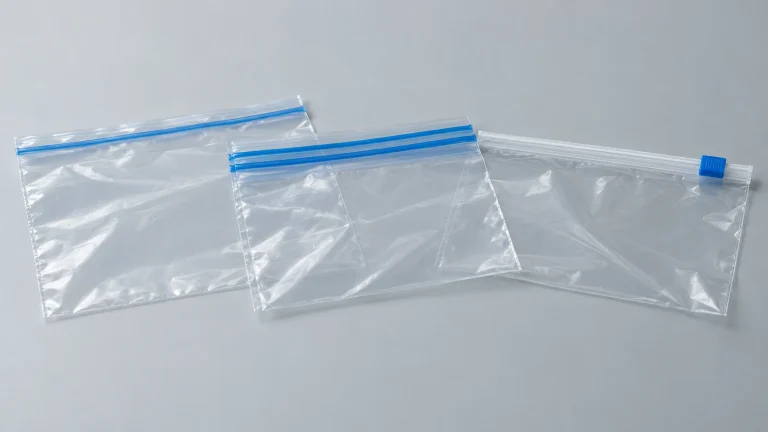
Press-to-Close Zipper
Press-to-close zipper bags are commonly used where users need a simple resealable package.
They can support applications such as:
- Food portioning
- Ingredient storage
- Household organization
- Refrigerated storage
- Freezer preparation
- Retail storage programs
The zipper position, opening width and bag dimensions should be considered together. A closure that is too close to the top edge can make filling less convenient, while an oversized opening may require a different bag structure.
Slider Closure
Slider bags can provide a more visible and convenient opening-and-closing action.
They may be suitable for programs where ease of use is a priority, especially when the bag is expected to be opened frequently.
The appropriate closure should be reviewed together with the intended application, bag size and material structure.
Material and Film Considerations
Material selection should not be based on appearance alone.
For storage and freezer applications, the packaging structure may need to balance:
- Flexibility
- Seal performance
- Clarity
- Low-temperature use
- Puncture resistance
- Printing requirements
- Required thickness
- Cost target
PE-based structures are commonly considered for many flexible storage bag applications, but the final structure should be reviewed according to the actual product and intended market.
Film thickness can also affect handling and perceived quality.
A thicker film is not automatically the correct choice. The suitable specification depends on bag dimensions, packed contents, closure design and expected use.
Size and Bag Configuration
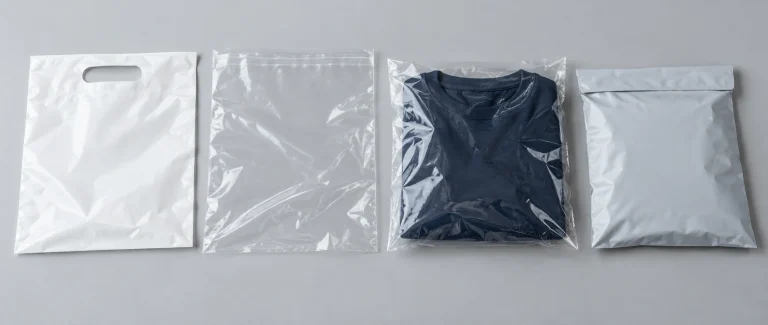
Bag dimensions should be developed around both the packed product and the filling process.
Important dimensions can include:
- Bag width
- Bag length
- Usable internal space
- Zipper position
- Bottom or side seal dimensions
- Header area
- Printing area
For custom programs, buyers may also need different sizes within the same packaging range.
For example, one project may include smaller bags for portioning and larger bags for household or bulk storage.
Using a consistent design system across several bag sizes can help simplify the overall packaging program.
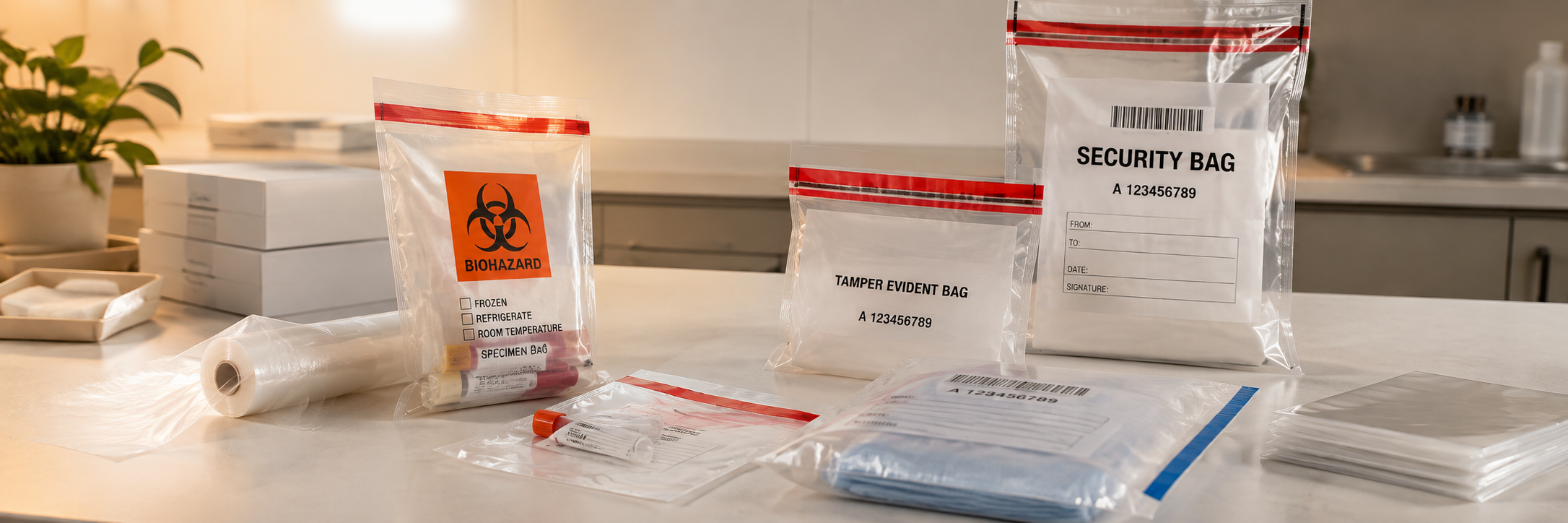
Printing and Identification
Not every storage bag needs full custom printing.
Depending on the project, suitable options may include:
- Clear unprinted bags
- Simple identification printing
- Brand graphics
- Instruction areas
- Write-on panels
- Labels
- Barcode areas
- Custom color details
For OEM and private label projects, artwork should be reviewed together with the printing method, bag dimensions and production requirements.
Print position is particularly important when the bag includes a zipper, slider or other functional area.
Freezer Application Considerations
Freezer packaging requires additional attention to the actual storage conditions.
The bag structure should be reviewed for expected temperature, packed product, storage duration and handling conditions.
Potential project considerations include:
- Film flexibility at lower temperatures
- Seal consistency
- Closure function
- Bag thickness
- Packed product shape
- Sharp or irregular contents
- Repeated opening and closing
Rather than relying on one standard specification for every freezer application, the packaging should be matched to the specific project.
From Application Requirement to Sample
A practical development process normally starts with basic project information.
Buyers can provide:
- Intended product or application
- Required bag size
- Approximate thickness
- Closure type
- Printing requirement
- Target quantity
- Packing method
- Reference photos or existing samples
From there, the bag structure can be reviewed and a more practical specification can be prepared for sampling or quotation.
For projects where the final specification is not yet confirmed, starting with an existing sample or reference bag can make communication much easier.
Discuss Your Food Storage Packaging Project
HAIKE supports custom bag development for food storage, freezer, portioning and related packaging applications.
If you already have a specification, drawing, sample or reference image, it can be used as the starting point for review.
If the specification is still being developed, provide the intended application, bag size, closure requirement, printing needs and expected order quantity so the project can be evaluated more efficiently.